Qingdao Ruichen Sealing Technology Co., Ltd.
News

How Much Do You Know About the Secrets of Oil Seals?

2026-09-10 0 Leave me a message

1. U-ring

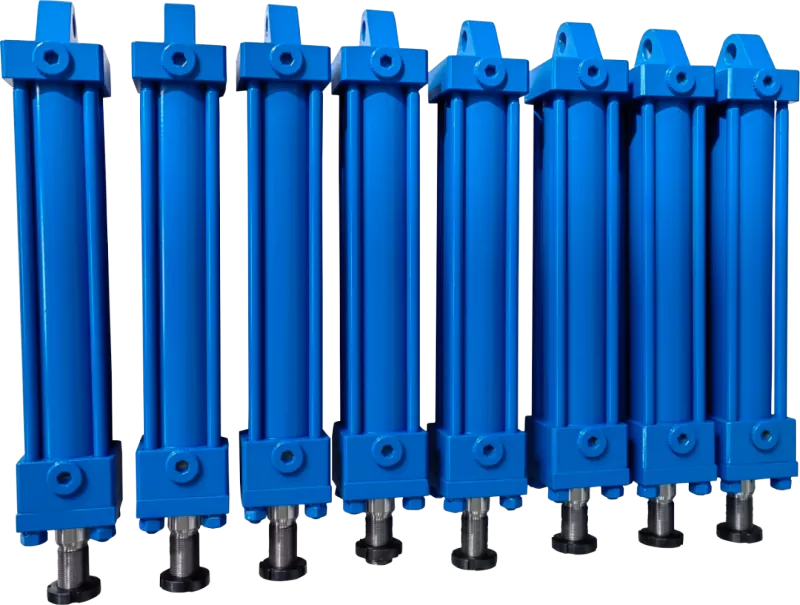
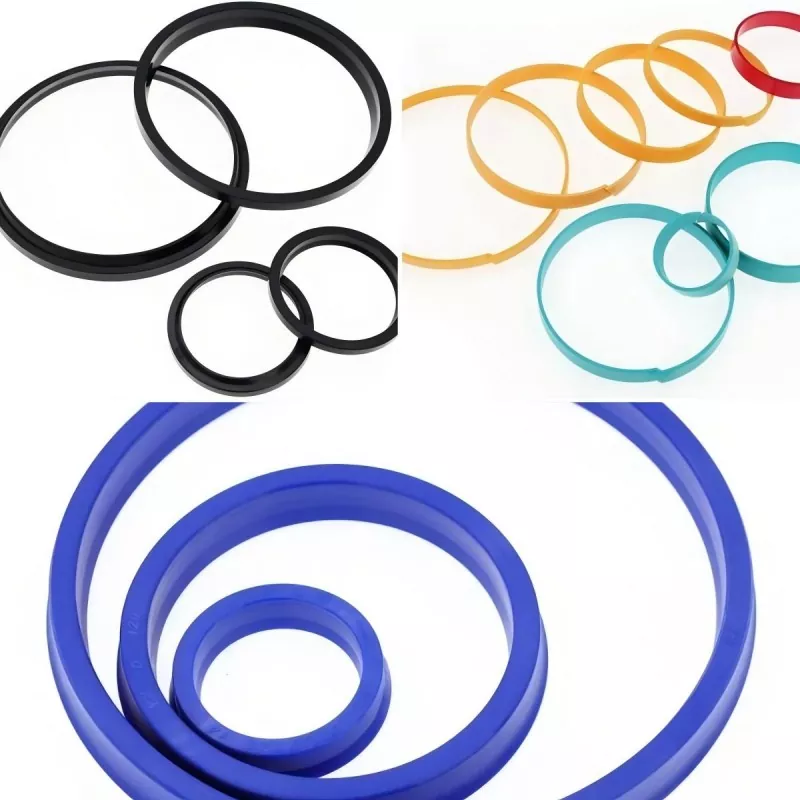
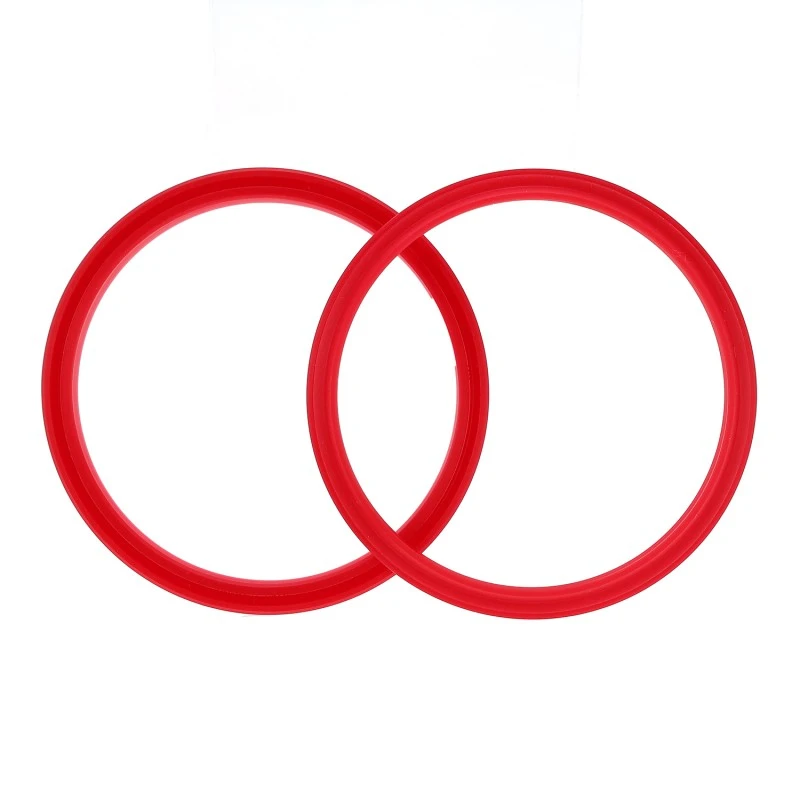
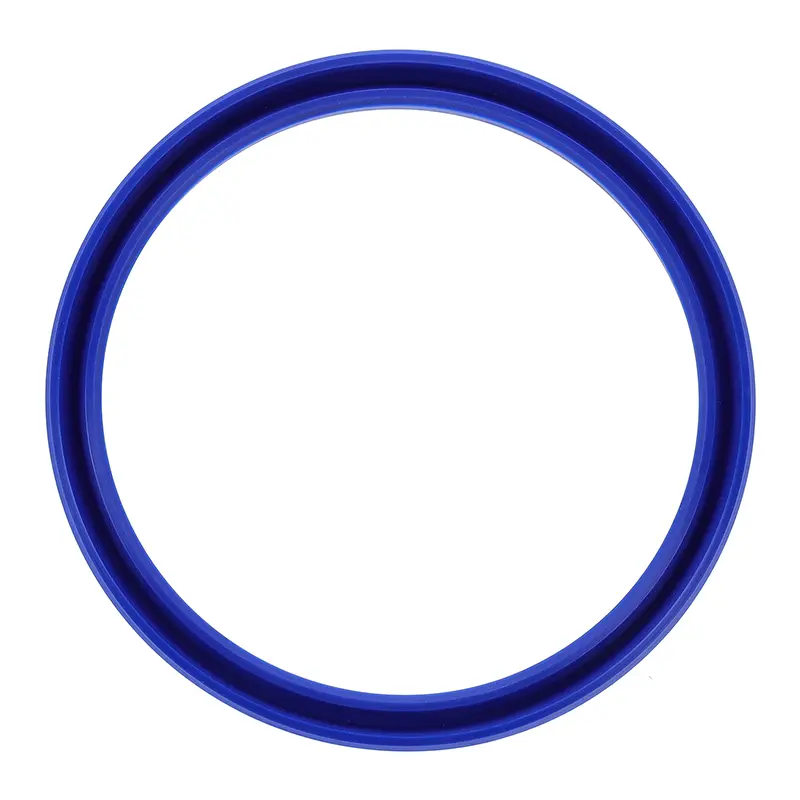
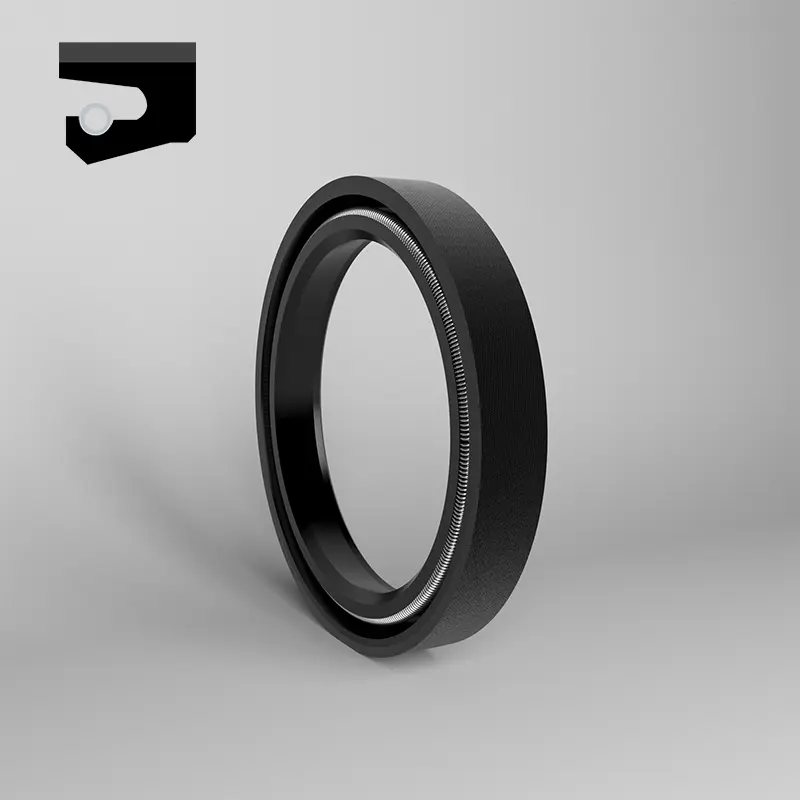
The U-ring is the most commonly used oil seal in hydraulic cylinders. It is a typical lip-type seal that provides effective sealing performance whether applied to a piston or a piston rod. At low pressures, the seal relies on the interference deformation of the lip; the small contact area results in relatively low friction.

As pressure rises, the elastic deformation of the lip increases, along with the tensile, compressive, and bending stresses, causing the radial contact force to increase automatically. The contact length with the sealing surface expands until the entire axial length of the U-ring is in contact, thereby ensuring effective sealing under high-pressure conditions.


2. Dust Seal (Wiper)

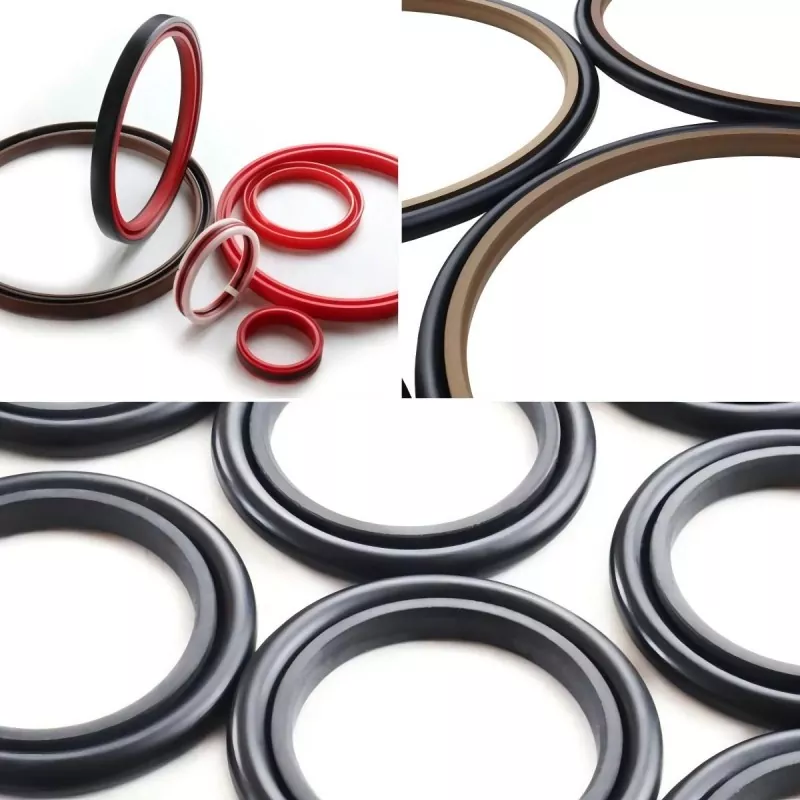
All hydraulic cylinders must be equipped with a dust seal. During the return stroke of the piston rod, the dust seal scrapes off contaminants adhering to the rod's surface, protecting the main seal and guide bushing from damage. Double-acting dust seals also provide an auxiliary sealing function; their inner lip scrapes off the oil film adhering to the piston rod surface, thereby enhancing overall sealing performance.


Oil Seals


I. Factors Causing Seal Leakage

(1) Installation Issues

1. Leakage caused by incorrect seal installation orientation

2. Leakage caused by foreign matter or dust entering the seal during installation or from within the piping

3. Leakage caused by seal damage resulting from improper assembly

4. Leakage caused by scratches on the piston rod surface

5. Leakage caused by uneven mating surfaces during welding

6. Leakage caused by eccentricity or off-center loading due to insufficient concentricity

7. Leakage caused by uneven coating application or coating material entering the seal ring


(2) Seal Selection Issues

1. Extrusion damage (nibbling) caused by excessive pressure

2. Seal burnout caused by adiabatic compression of entrapped air

3. Material degradation (e.g., swelling) due to incompatibility between the seal material and the operating medium

4. Material deterioration due to high temperatures

5. Leakage caused by material hardening and shrinkage at low temperatures

6. Heat generation and dry friction in the seal due to high-frequency reciprocating motion

7. Unstable movement at low pressures and low speeds

8. Accelerated seal wear due to poor lubrication

9. Leakage caused by component vibration

10. Abnormal seal ring wear caused by environmental dust

11. Leakage caused by rust in the seal groove


(3) Seal Assembly Design Issues

1. Damage to the cylinder barrel or piston rod due to improper selection of guide/support component materials

2. Extrusion damage due to improper clearance between friction surfaces

3. Damage to the seal ring due to improper threading or chamfering at the ends of the cylinder barrel or piston rod

4. Poor operational performance due to calculation errors regarding rigidity or self-weight

5. Damage to the seal ring due to improper chamfering for seal installation

6. Seal ring wear due to unsuitable sliding surface roughness

7. Seal ring wear or damage caused by uneven plating, surface porosity, or scratches on the surface traversed by the seal

8. Seal wear or damage due to insufficient surface roughness in the seal groove (especially in shaft seal grooves)

9. Leakage caused by porosity in the piston or piston rod plating

10. Wear or scoring of the cylinder barrel and piston rod due to poor lubrication


(4) Storage Issues

1. Seal material deterioration or degradation due to exposure to high temperatures during storage or transport

2. Intense light, ozone, or radiation causing deterioration of sealing materials

3. Improper storage methods leading to deformation of the seal ring

4. Aging of sealing materials due to prolonged storage


Oil Seals


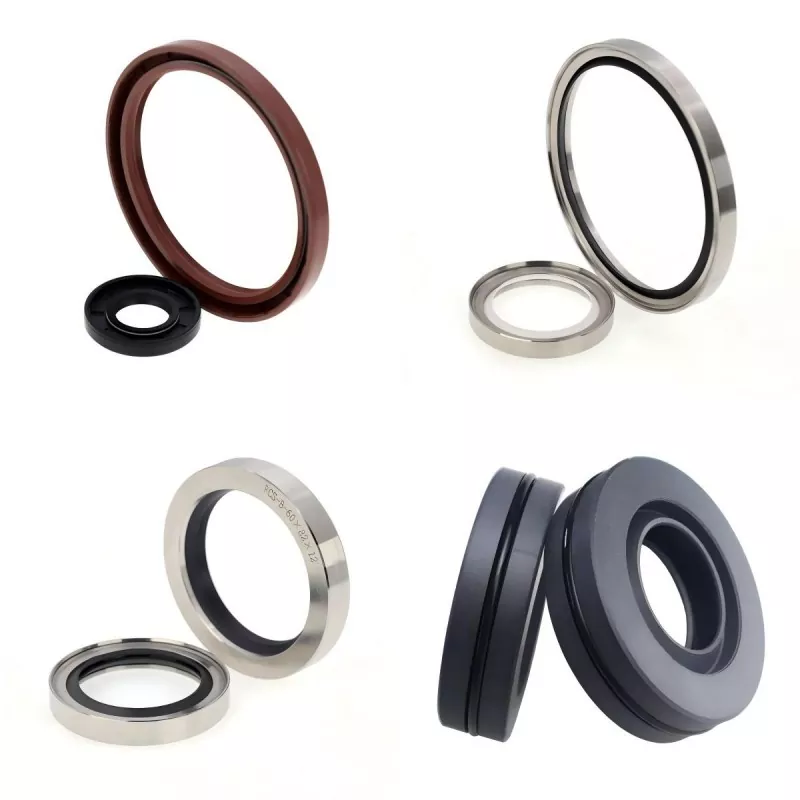
II. Troubleshooting Rotary Dynamic Seal Leakage

(1) Excessive leakage

Causes and measures:

1. Improper assembly: Install the seal ring correctly; avoid reverse installation or misalignment

2. Insufficient lip pressure (oil seals): Verify seal dimensions and check if the spring is functioning correctly

3. Shaft roughness or surface defects: Reduce shaft roughness, or select a softer seal or alternative sealing material

4. Seal lip cracking: Likely caused by shaft surface roughness, incorrect sealing material, or excessive speed/temperature

5. Seal ring damage or wear: Replace the seal ring and select one with higher wear resistance


(2) High friction

Causes and measures:

1. Poor lubrication: Consider switching to a PTFE friction surface

2. Excessive preload: Consider changing the seal type

3. Excessive pressure: Consider changing the seal type


(3) Seal damage

Causes and Measures:

1. Improper or careless installation: Use appropriate techniques and tools.

2. Rough shaft surface: Check surface roughness and chamfering specifications.

3. Presence of abrasive particles (also manifests as shaft wear): Use dust-proof seals in dusty environments.


(4) Excessive seal wear

Causes and Measures:

1. Incorrect seal type or material selection: Select a more suitable seal type based on operating conditions.

2. Excessive pressure: Select a more suitable seal type based on operating conditions.

3. Excessive temperature: Select a more suitable seal type based on operating conditions.


Oil Seals


III. Troubleshooting Reciprocating Seal Leakage

(1) High friction

Causes and Measures:

1. Poor assembly: Verify against recommended standards for the seal; reduce interference or pressure if necessary.

2. Incorrect seal dimensions: Check dimensional specifications.

3. Excessive surface roughness: Reduce surface roughness.

4. High sliding speed: Seal type may need to be changed.

5. Excessive operating pressure of the medium: Seal type or material may need to be changed.


(2) Stick-slip (jerky motion)

Causes and Measures:

1. Dry friction of the seal: Improve operating conditions.

2. Excessive surface roughness: Reduce surface roughness.

3. Poor lubrication film formation: Improve operating conditions or change seal type (e.g., use PTFE composite seals).


(3) Excessive leakage

Causes and Measures:

1. Seal installed backwards: Check installation; use a bidirectional seal if necessary.

2. Insufficient preload: Check dimensions and preload.

3. Seal shrinkage: Check compatibility between seal material and the medium.

4. Seal wear: Replace the seal and investigate the cause of wear; consider changing the seal type if service life is short.


(4) Seal damage

Causes and Measures:

1. Improper initial assembly: Replace the seal according to specifications and carefully check the installation status.

2. Torsional failure (O-rings): Evaluate the suitability of the O-ring.

3. Extrusion damage (nibbling): Reduce extrusion clearance; install backup rings if necessary.

4. Wear: Check dimensions and adjust the extrusion gap if necessary.


Oil Seals


IV. Storage of Seals

① Do not open the seal packaging unless necessary; otherwise, dust may adhere to or scratch the seals.

② Store in a cool place away from direct sunlight; UV rays and moisture accelerate the deterioration and dimensional changes of rubber and plastic materials.

③ When storing unpackaged products, take care to prevent the adhesion or inclusion of foreign matter and store them in their original condition. Nylon materials must be sealed tightly to prevent dimensional changes caused by moisture absorption.

④ Do not place seals near heat sources such as boilers or furnaces; high temperatures accelerate seal aging.

⑤ Do not place seals near televisions or sources of ozone.

⑥ Do not hang seals using needles, wires, or ropes, as this can cause deformation or damage to the sealing lips.

⑦ Discoloration or the appearance of white powder (blooming) on the seal surface does not affect performance.

Related News
Leave me a message
X
We use cookies to offer you a better browsing experience, analyze site traffic and personalize content. By using this site, you agree to our use of cookies.Privacy Policy
RejectAccept