Qingdao Ruichen Sealing Technology Co., Ltd.
News

From Polyurethane to PEEK: Ruichen Sealing Delivers High-Performance Material Solutions for Sealing Applications

2026-07-07 0 Leave me a message

As industrial capabilities advance, requirements for sealing products have become increasingly stringent, demanding materials that can withstand higher and lower temperatures, higher pressures, and high rotational speeds under conditions of limited lubrication. Selecting the appropriate sealing material for specific operating conditions is crucial.

Sealing performance is fundamentally determined by the properties of the sealing material itself. To meet the increasingly complex and diverse demands of hydraulic and pneumatic sealing applications, sealing materials have undergone rapid development, resulting in a wider range of types and continuously improved physicochemical properties. Currently, commonly used sealing materials include rubber, plastics, composites, fibers, and metals.

A sealing material's resistance to media and its operational scope depend largely on its formulation and the choice of base material; by adjusting these factors, specific material properties required for particular applications can be achieved. Since enhancing one property may compromise another, the development of sealing materials requires a comprehensive approach to ensure optimal overall performance.

The mechanical properties of sealing materials can shift under the influence of the operating medium and temperature—factors that are often more critical to operational reliability than the material's initial specifications. Specific application parameters—such as the sealing configuration (static vs. dynamic), required service life, and the nature of the sealed medium—must be carefully considered.

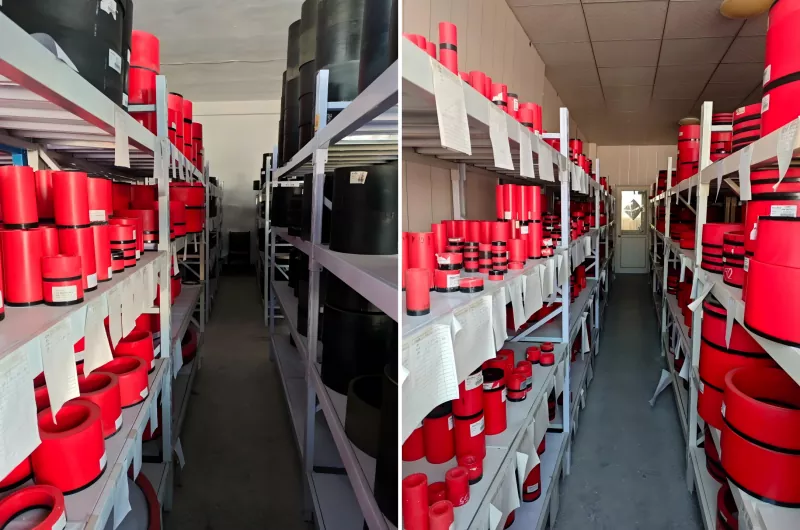
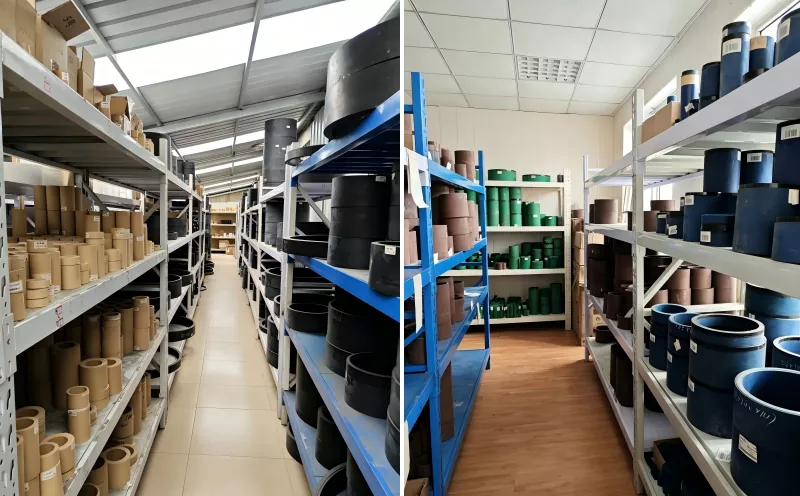
Ruichen Sealing is dedicated to the cutting-edge development of sealing materials and offers a wide range of high-performance options to its customers. Most of these materials are developed and manufactured in-house; additionally, we supply various engineering plastics (such as POM and nylon), filled PTFE compounds, and high-temperature resistant polymers like PEEK and PI.


High-Performance Sealing Material


I. Polyurethane-Based Sealing Materials

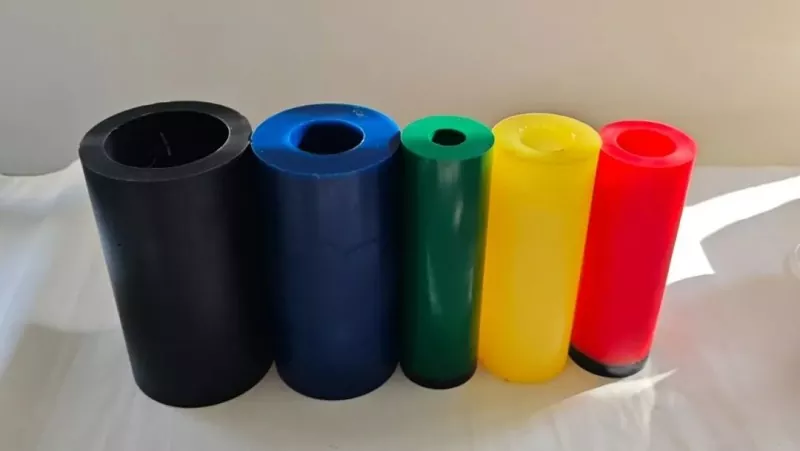
● RC-PU Standard Polyurethane (Green)

Standard polyurethane is a polyurethane elastomer material characterized by high-pressure resistance, resistance to deformation, strong wear resistance, and excellent physical properties. In the sealing industry, it is primarily used to manufacture U-rings, wiper seals, V-packing sets, elastomer components, air valve seals, and equipment parts. Seals made from standard polyurethane are compatible with mineral oils, water, and biodegradable hydraulic fluids at temperatures up to 60°C; as a standalone sealing material, they can withstand pressures of up to 40 MPa. With specialized seal designs and precise control of installation groove tolerances, components made from standard polyurethane can be utilized in even higher-pressure applications.

● RC-PU-H Water-Resistant Polyurethane (Red)

RC-PU-H is a polyurethane elastomer highly resistant to high-temperature hydrolysis. It combines the excellent physical properties of standard polyurethane with exceptional resistance to degradation in water (hydrolysis resistance). It demonstrates high stability in mineral oils and is suitable for use with water-glycol media in applications such as metallurgy, mining, and tunnel boring machines; in water-glycol, it withstands temperatures up to 90°C. It is particularly well-suited for use with pure water, seawater, fire-resistant fluids (such as HFA and HFB), and biodegradable hydraulic fluids (vegetable oils and synthetic esters).

● RC-PU-LT Low-Temperature Resistant Polyurethane (Blue)

RC-PU-LT is a polyurethane elastomer material with superior physical properties, specifically developed to meet the growing demand for low-temperature applications within the sealing industry. It is primarily designed for use in harsh, low-temperature environments, with a minimum operating temperature of -55℃.

● RC-PU-SL Self-Lubricating Polyurethane (Dark Gray)

Self-lubricating polyurethane is a polyurethane elastomer material specifically developed to reduce friction. It is recommended for applications with limited lubrication, such as in hydraulic machinery and non-lubricated pneumatic systems.

● RC-PU-X Ultra-High Hardness Polyurethane (Dark Green)

RC-PU-X is a high-hardness polyurethane material distinguished by exceptional physical properties. Its characteristics ensure outstanding wear resistance and suitability for high-pressure operating conditions. It is primarily used as a substitute for PTFE in the manufacture of slipper rings for composite seals (such as Glyd Rings, Step Seals, and composite wipers) in heavy-duty and dust-exclusion sealing applications. Offering superior extrusion resistance, this material provides better pressure tolerance, enhanced sealing performance, and broader application versatility compared to seals made from conventional polyurethane or PTFE.

● RC-PU-XH High-Hardness, Hot-Water-Resistant Polyurethane (Dark Red)

RC-PU-XH is a high-hardness polyurethane material developed based on water-resistant polyurethane technology. It exhibits excellent wear resistance, high-pressure resistance, and hydrolysis resistance. It is suitable for use with mineral oils, biodegradable hydraulic fluids (HETG, HEES), and high-pressure fire-resistant fluids (HFA, HFB).

● RC-PU-XSL Self-lubricating Ultra-high Hardness Polyurethane (Dark Gray)

Compared to other polyurethanes, this self-lubricating, ultra-high hardness polyurethane offers further improvements in anti-friction performance, reducing frictional wear and enhancing the seal's resistance to extrusion. Additionally, due to its ultra-high hardness, it provides superior pressure resistance in low-lubrication operating environments compared to standard self-lubricating polyurethanes.


Polyurethane-Based Sealing Materials


Polyurethane-Based Sealing Materials


II. Rubber-based Sealing Materials

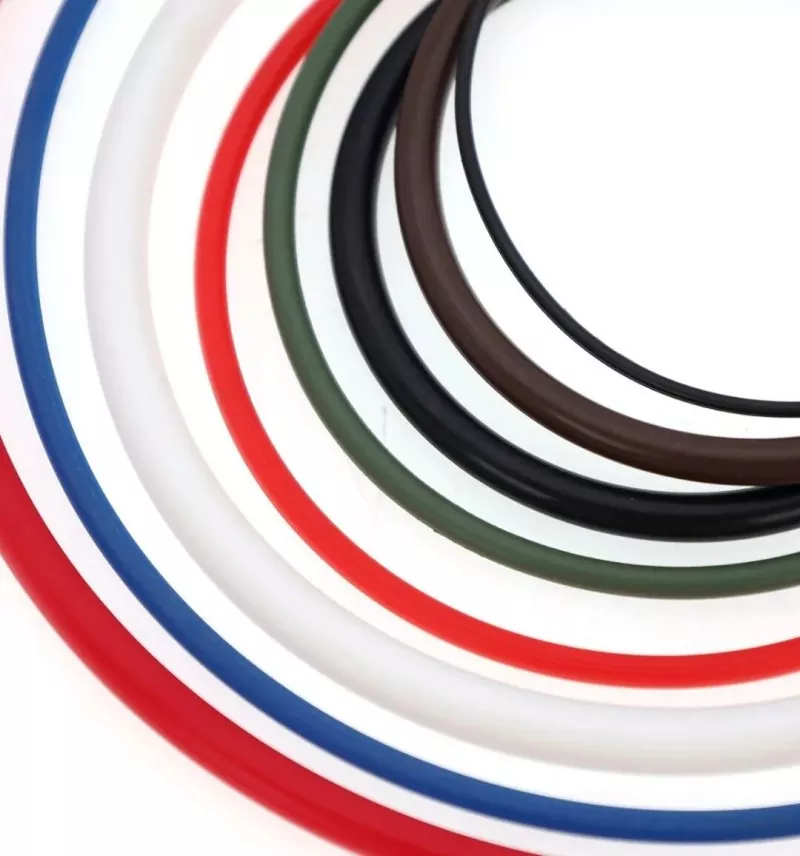
● RC-NBR Nitrile Rubber

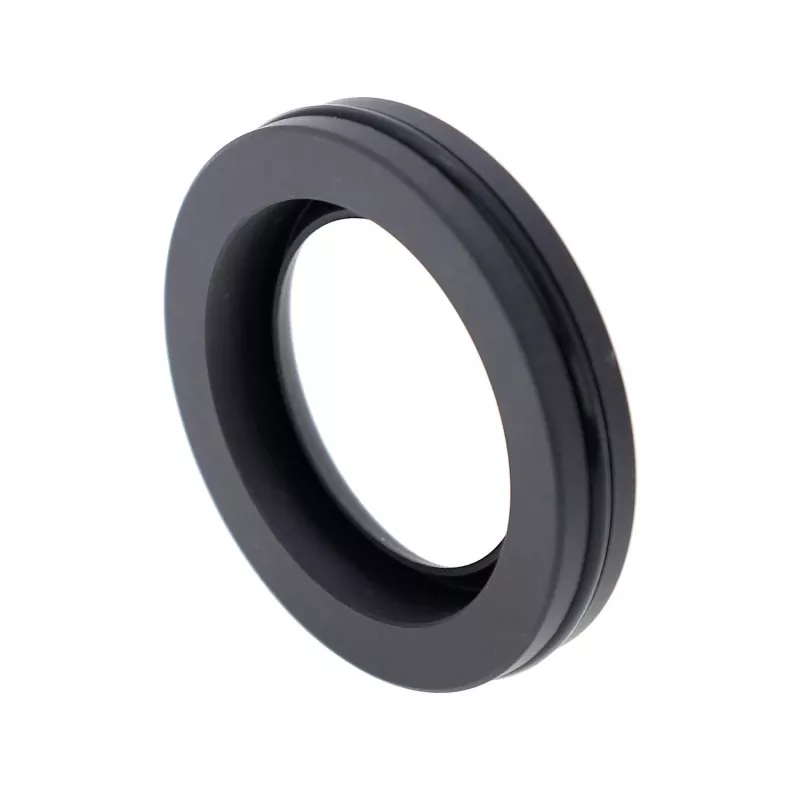
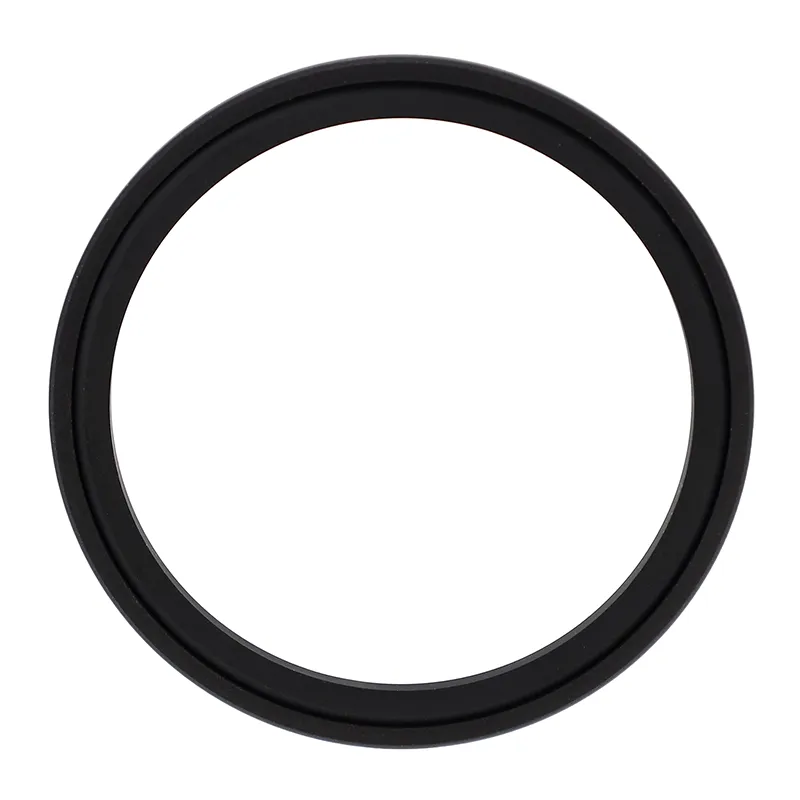
A common black rubber sealing material; primary applications include O-rings, U-rings, dust seals, and V-packing sets.

● RC-HNBR Hydrogenated Nitrile Rubber (Black)

Key applications: O-rings and seals for demanding, complex operating conditions.

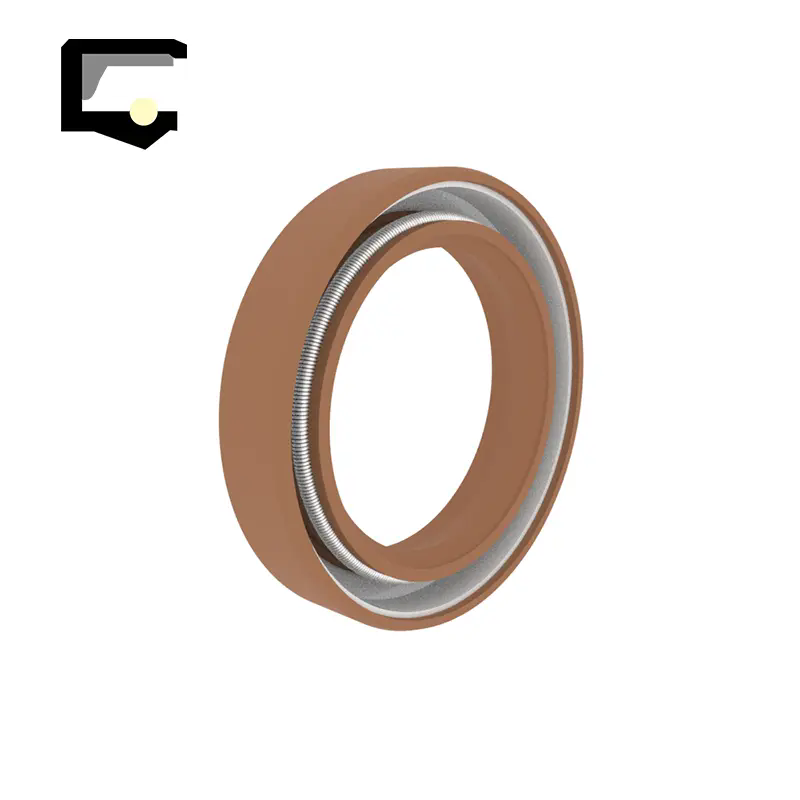
● RC-FKM Fluoroelastomer (Brown/Black/Green)

Resistant to high temperatures, corrosion, and other demanding conditions. Key applications include O-rings, U-rings, dust seals, and V-ring sets.

● RC-EPDM (Black)

Key applications: O-rings, sealing components for automotive brakes, etc.

● RC-S Silicone Rubber (Red-Brown)

Main applications: O-rings; industries such as hot-air equipment, mineral oil processing, and food processing.


Rubber-based Sealing Materials


Rubber-based Sealing Materials


III. Engineering Plastic Materials

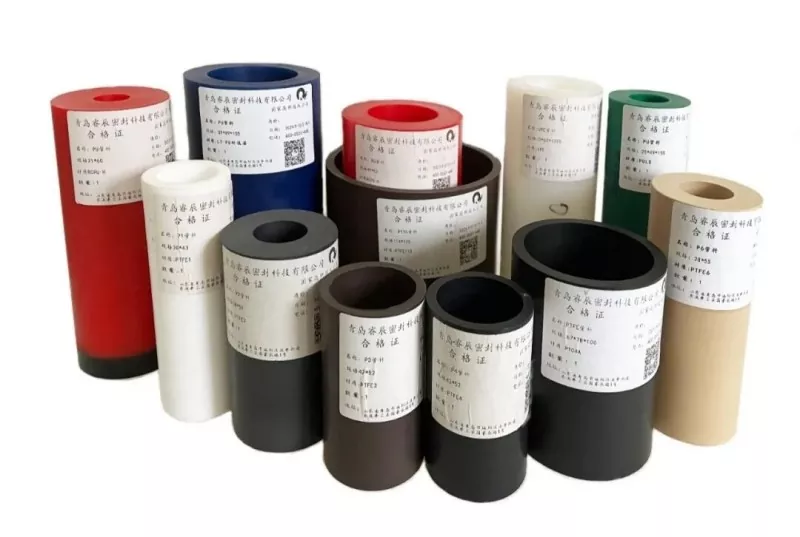
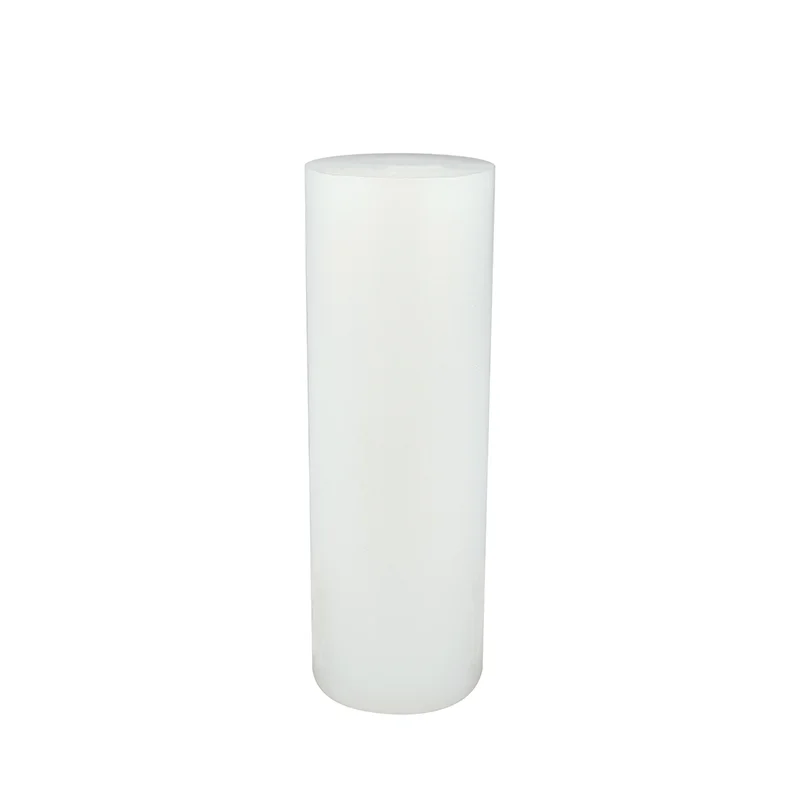
● PTFE1 Pure PTFE (White)

Pure PTFE exhibits excellent chemical corrosion resistance and is compatible with virtually all chemical media. It is prone to deformation under pressure and can withstand relatively low compressive loads. It is suitable for use in industries such as food processing, healthcare, and pharmaceuticals.

● PTFE-2 Filled PTFE (PTFE + 15% Glass Fiber + 5% Molybdenum Disulfide), Gray

This is a filled PTFE material that offers improved compressive strength, extrusion resistance, and lubricity compared to virgin PTFE. Its chemical resistance remains comparable to that of virgin PTFE. This glass-fiber-reinforced PTFE is suitable for dynamic sealing applications.

● PTFE3 Filled PTFE (PTFE + 40% Copper Powder), Brown

This material is a composite of PTFE and 40% copper powder. Compared to virgin PTFE, it offers enhanced compressive strength, superior thermal conductivity, and excellent wear resistance. Relative to other PTFE compounds, this copper-filled variant exhibits superior frictional performance and excellent creep resistance.

● PTFE4 Filled PTFE (PTFE + 25% Carbon Fiber), Black

This material consists of PTFE filled with carbon fiber; it offers excellent compressive strength, good thermal conductivity, and low permeability. Compared to glass-fiber-filled PTFE, carbon-fiber-filled PTFE exhibits superior resistance to friction and wear, making it better suited for rotary sealing applications.

● PTFE5 Filled PTFE (PTFE + Filler), White

Offers improved wear resistance and cold flow properties compared to pure PTFE; suitable for use in the food and pharmaceutical industries.

● PTFE6 Filled PTFE (PTFE + Filler), Beige

Made from PTFE with fillers, this material offers excellent compressive strength, good heat resistance, and superior wear and friction resistance. It is suitable for reciprocating and rotary sealing applications in industries such as food and pharmaceuticals, as well as for sealing against soft metals.

● RC-POM (Polyoxymethylene), White/Black

Primarily used for manufacturing retaining rings, guide rings, bushings, and precision instrument components requiring tight tolerances. POM is one of the most widely used engineering plastics, characterized by excellent physical properties, low water absorption, and superior chemical resistance. It is compatible with mineral oils and water-based high-pressure fire-resistant fluids (HFA, HFB, HFC) but is not resistant to strong acids or strong alkalis.

● RC-PA6 Nylon, White

Nylon is a cast polyamide with excellent lubricating properties, primarily used in mineral oil applications. As polyamide is hygroscopic, expansion must be taken into account during component design when the material is used in water or water-based fluids.

● RC-PEEK High-Temperature Polymer, Cream-Yellow

PEEK is a high-temperature resistant thermoplastic suitable for use in hot water and steam at temperatures up to 250°C. It is easy to process and maintains excellent wear resistance even under high pressure and high-speed conditions. The material exhibits outstanding engineering properties, including high hardness, strength, and rigidity, as well as excellent creep resistance.

● RC-UPE Ultra-High Molecular Weight Polyethylene

It features excellent wear and impact resistance and a low coefficient of friction. It offers superior creep resistance compared to PTFE and exhibits virtually no water absorption or swelling. It withstands low temperatures down to -200°C and high temperatures up to 80°C.


Engineering Plastic Materials


Simplified Designations for Common Sealing Materials

RC-PU Standard Polyurethane

RC-PU-H Water-resistant Polyurethane

RC-PU-LT Low-temperature Resistant Polyurethane

RC-PU-SL Self-lubricating Polyurethane

RC-PU-FG Food-grade Polyurethane

RC-PU-X Ultra-high Hardness Polyurethane

RC-PU-XH High-temperature Water-resistant, Ultra-high Hardness Polyurethane

R01--Nitrile Rubber (Black)

RC-NBR R02--Fluororubber (Brown)

RC-FKM R03--EPDM Rubber (Black)

RC-EPDM R04--Silicone Rubber (Reddish-brown)

RC-SR R05--Hydrogenated Nitrile Rubber (Black) RC-HNBR

P1--Virgin PTFE (White)

P2--Glass Fiber & Molybdenum Disulfide Filled PTFE Composite (Gray)

P3--Bronze Powder Filled PTFE Composite (Brown)

P4--Carbon Fiber Filled PTFE Composite (Black)

P5--Filled PTFE Composite (White)

P6--Filled PTFE Composite (Beige)

RC-POM Polyoxymethylene (Acetal)

RC-PA6 Nylon

RC-PEEK High-temperature Resistant Polymer

RC-UPE Ultra-high Molecular Weight Polyethylene

Related News
Leave me a message
X
We use cookies to offer you a better browsing experience, analyze site traffic and personalize content. By using this site, you agree to our use of cookies.Privacy Policy
RejectAccept