Qingdao Ruichen Sealing Technology Co., Ltd.
Products
FEP/PFA Encapsulated O-Ring
  • FEP/PFA Encapsulated O-RingFEP/PFA Encapsulated O-Ring
  • FEP/PFA Encapsulated O-RingFEP/PFA Encapsulated O-Ring
  • FEP/PFA Encapsulated O-RingFEP/PFA Encapsulated O-Ring
  • FEP/PFA Encapsulated O-RingFEP/PFA Encapsulated O-Ring
  • FEP/PFA Encapsulated O-RingFEP/PFA Encapsulated O-Ring
  • FEP/PFA Encapsulated O-RingFEP/PFA Encapsulated O-Ring

FEP/PFA Encapsulated O-Ring

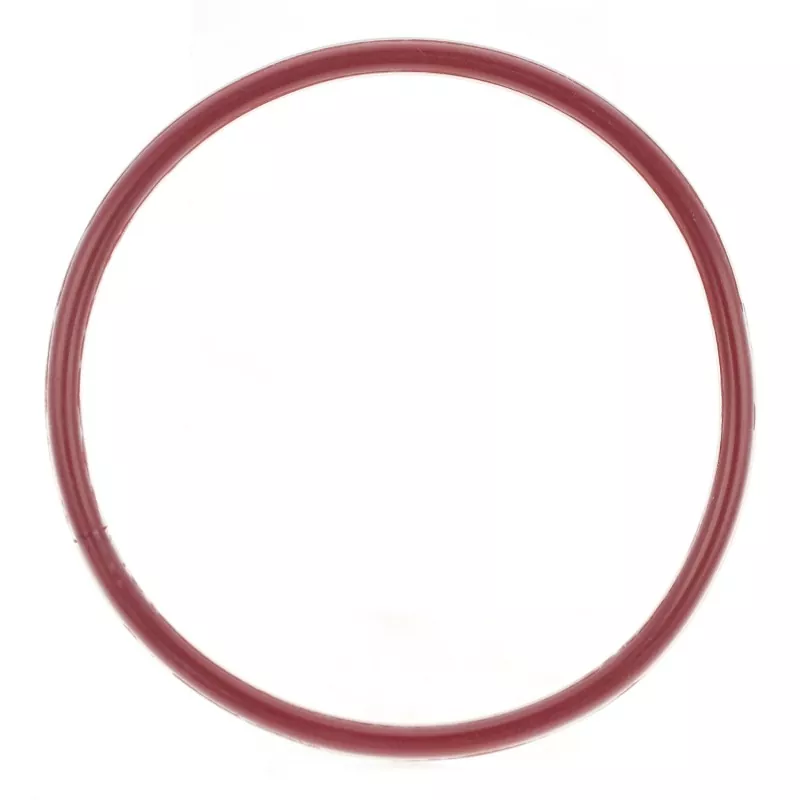
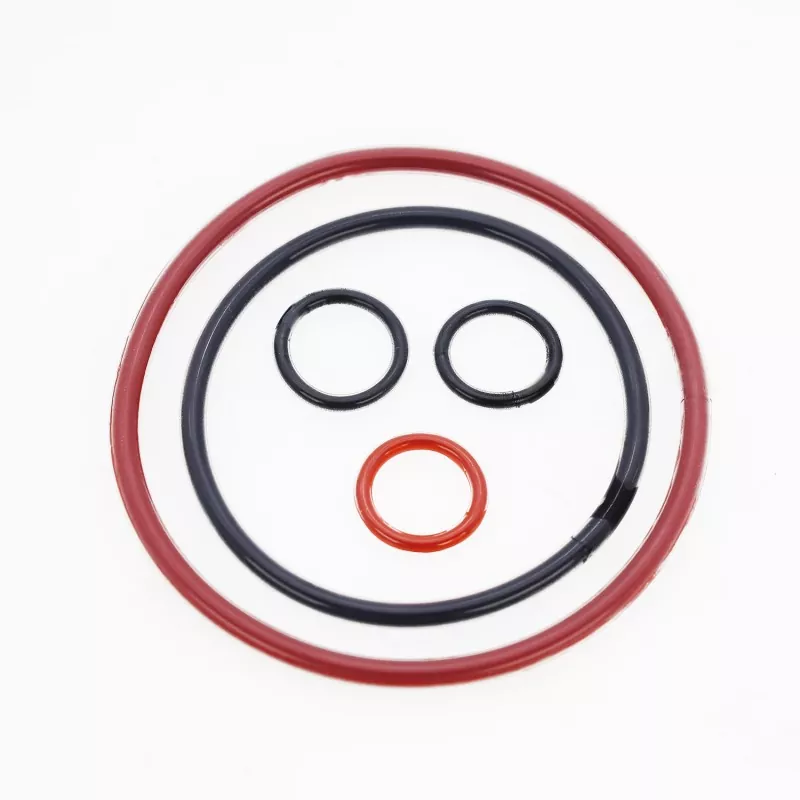
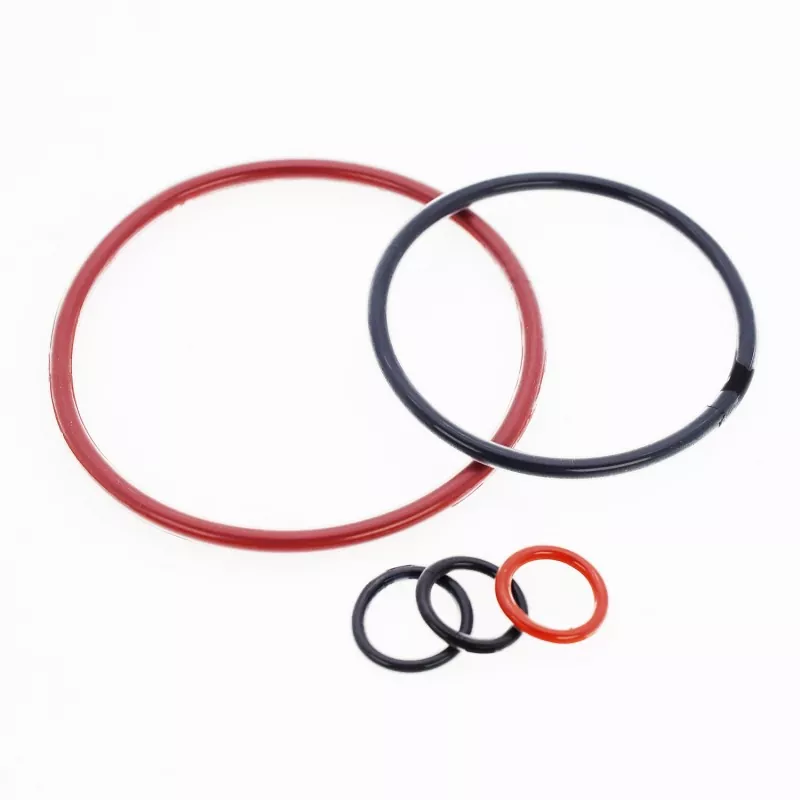
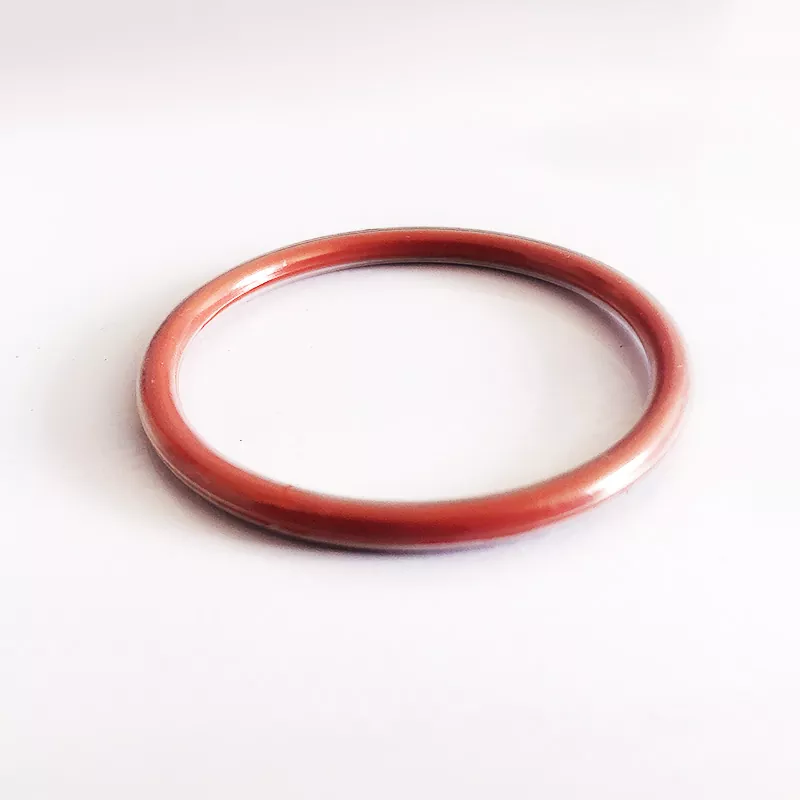
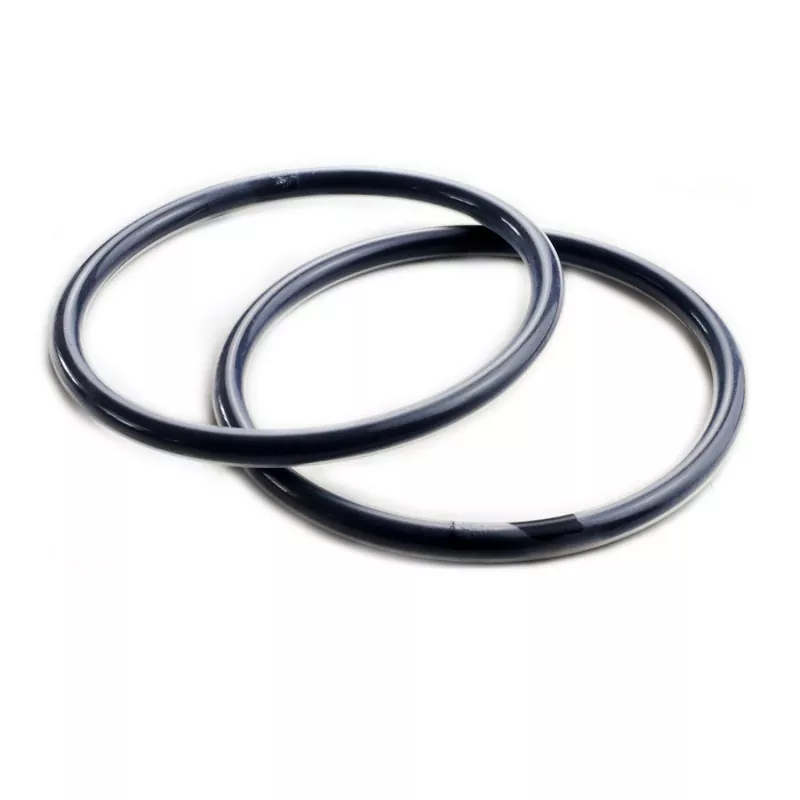
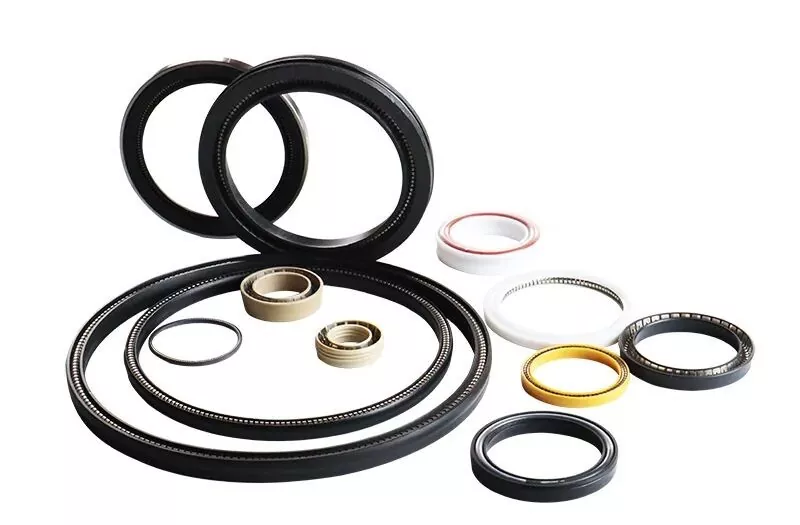
For sealing applications involving harsh corrosive environments and high temperatures, Ruichen Sealing’s FEP/PFA encapsulated O-rings are the premier choice. Engineered to overcome common industry challenges—such as susceptibility to corrosion and aging, poor high-temperature resistance, and short service life—these O-rings feature a composite structure combining a rubber core with a Teflon (PTFE) outer layer, delivering both elastic sealing performance and superior chemical resistance. Available in two material options to meet diverse high-temperature operational requirements. We welcome overseas customers to request samples for testing and to place bulk orders.

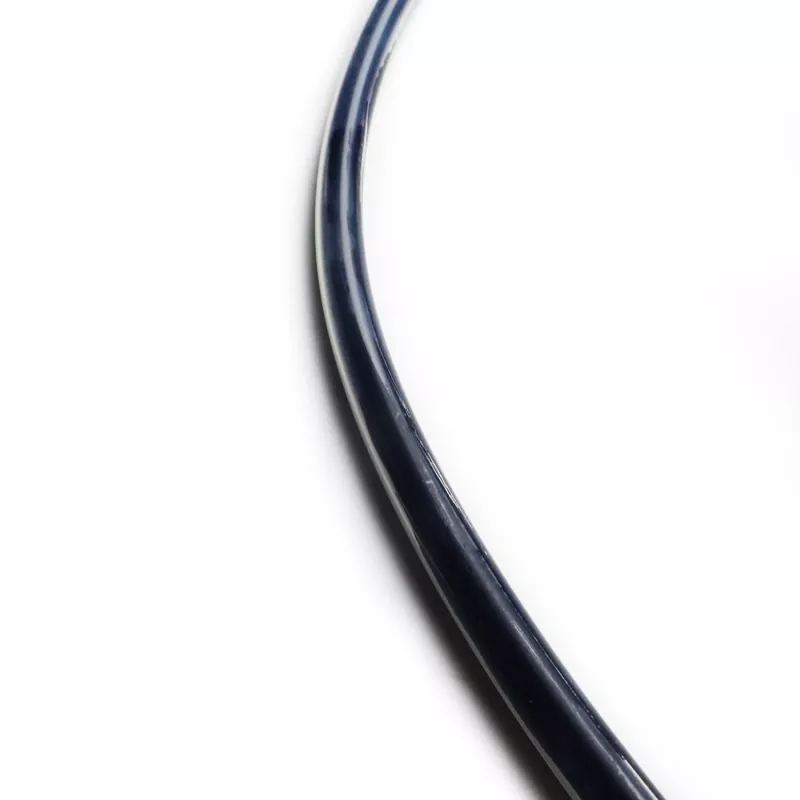
FEP/PFA Encapsulated O-Rings combine the elasticity and sealing capabilities of rubber with the chemical resistance of Teflon. They consist of a silicone or fluororubber core encased in a relatively thin layer of Teflon FEP or Teflon PFA.

These O-rings offer excellent resistance to friction, swelling, high pressure, and compression set. They provide superior sealing stability, significantly reducing equipment leakage and the frequency of part replacements, making them suitable for sealing applications in industries such as manufacturing, food processing, pharmaceuticals, and aerospace.

Material: Teflon FEP and Teflon PFA are chemically similar, but Teflon PFA offers superior high-temperature resistance compared to Teflon FEP.


Applicable Temperature Range

Teflon FEP Encapsulation: -60°C to 205°C (can withstand 260°C for short periods)

Teflon PFA Encapsulation: -60°C to 260°C (can withstand 300°C for short periods)


Product Advantages

1. Outstanding chemical resistance; compatible with almost all chemical media

2. Wide operating temperature range

3. Good compression resistance

4. Low friction

5. Excellent resistance to swelling

6. High-pressure resistance

7. Superior sealing durability and long service life


Product Applications

Pumps and valves, reaction vessels, mechanical seals, filters, pressure vessels, heat exchangers, boilers, pipe flanges, gas compressors, etc.


Application Industries

Chemical processing, aircraft manufacturing, pharmaceuticals, oil and chemical transport, petroleum refining, film manufacturing, refrigeration engineering, food processing, papermaking, dye manufacturing, paint spraying, etc.


FEP PFA Encapsulated O-Ring


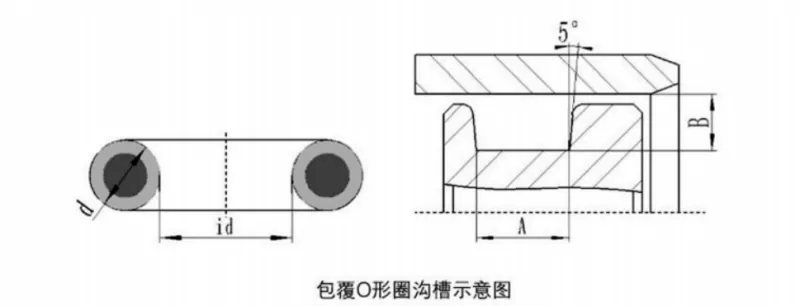
Encapsulated O-Ring Groove Dimensions (Recommended)

Wire diameter d

A(mm)

B(mm)

Static seal

Dynamic seal

Pneumatic seal

1.78

2.36/2.49

1.42/1.52

1.55/1.60

1.63/1.65

2.62

3.56/3.68

2.08/2.21

2.29/2.36

2.39/2.44

3.53

4.75/4.88

2.82/3.00

3.10/3.18

3.22/3.28

5.33

7.14/7.26

4.27/4.52

4.67/4.80

4.90/4.95

6.99

9.63/9.65

5.59/5.89

6.15/6.27

6.43/6.48


Installation Instructions

1. Surfaces where the encapsulated O-ring is installed or makes contact must be smooth and free of burrs, grooves, or sharp edges. The surface roughness of the bore should be 1.6 μm, and that of the shaft should be 0.8 μm.

2. Apply clean, light oil or grease to lubricate the surface of the encapsulated O-ring and the mating surfaces.

3. If installation onto the shaft is difficult, soak the O-ring in hot water for a few minutes to allow it to expand; this softens and expands the ring, making installation easier. Installing the O-ring while it is warm allows it to return to its original dimensions upon cooling.

4. Avoid bending the encapsulated O-ring excessively, as this may cause the Teflon coating to wrinkle, thereby impairing performance.


Recommended compression rates for encapsulated O-rings are as follows:

Static sealing: 15%–20%

Dynamic sealing: 10%–12%

Pneumatic applications: 7%–8%

Actual compression should be determined based on operating conditions, particularly factors such as the working pressure of the seal.

Hot Tags:
Send Inquiry
Contact Info
Get competitive prices, technical support, and fast responses. Send your specifications to Ruichen for tailored sealing solutions. Free samples available.
X
We use cookies to offer you a better browsing experience, analyze site traffic and personalize content. By using this site, you agree to our use of cookies. Privacy Policy
RejectAccept