You may come into contact with PTFE every day without knowing its name.
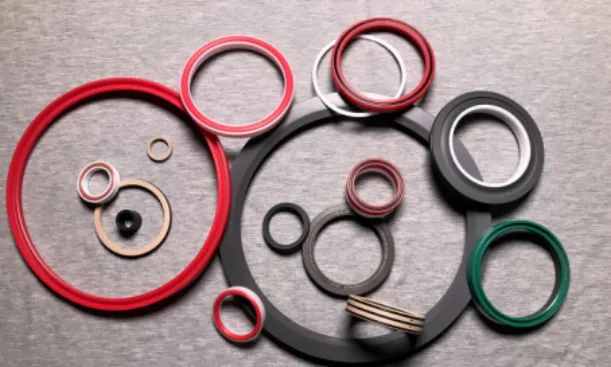
Non-stick pan coatings, chemical equipment linings, electronic insulating components, and various mechanical seals may all contain it. It is polytetrafluoroethylene, abbreviated as PTFE. Because of its excellent resistance to chemical media, low friction characteristics, and good electrical insulation properties, it is known as the "King of Plastics."
However, the value of PTFE is not only “corrosion resistance and low friction.” Truly understanding this material also requires understanding its performance boundaries and how to translate material advantages into reliable product performance through filled modifications, sealing structure design, and processing techniques.
PTFE’s outstanding characteristics are its comprehensive advantages in chemical resistance, temperature adaptability, friction performance, and electrical performance. However, specific performance is affected by factors such as material grade, temperature, medium, load, movement speed, structural design, and processing quality.
PTFE has excellent resistance to many strong acids, strong bases, and organic solvents, so it is often used in chemical piping, valves, pumps, and equipment linings. However, chemical resistance does not mean absolute inertness to all media and all temperatures. When encountering high temperatures, special chemical environments, or combinations of multiple media, compatibility should still be confirmed based on medium composition, concentration, temperature, and pressure.
The common application temperature range of unmodified PTFE is approximately -200°C to 260°C. The specific range should be based on the material grade, product structure, and actual operating condition validation. Note that the temperature application range of a material does not mean it can withstand the same pressure and motion load across the entire temperature range. For sealing applications, emphasis should also be placed on sealing conformability at low temperatures, creep at high temperatures, and dimensional stability caused by temperature changes.
Non-stick properties: PTFE has a low surface energy and good anti-adhesion characteristics, so it is used in non-stick coatings and anti-stick components. Actual results also depend on the coating system, surface treatment, and service conditions.
Self-lubricating properties: PTFE has low friction characteristics and can be used in sliding bearings, piston rings, sealing elements, and other components. However, the coefficient of friction is not a fixed universal value; it varies with mating material, surface roughness, contact pressure, speed, and lubrication conditions.
PTFE has a low dielectric constant and excellent electrical insulation properties, and can be used in high-frequency cables, electronic and electrical components, communication equipment, and other scenarios. Specific electrical properties still need to be determined in combination with frequency, temperature, product structure, and relevant standards.
PTFE has good UV resistance and weather resistance, and is not prone to obvious aging in many outdoor environments. However, the service life of a specific product also depends on temperature, mechanical load, medium, structure, and installation conditions. It is not appropriate to use a fixed number of years to summarize all applications.
With its chemical resistance, low friction, insulation, and weather resistance, PTFE has been applied in many fields:
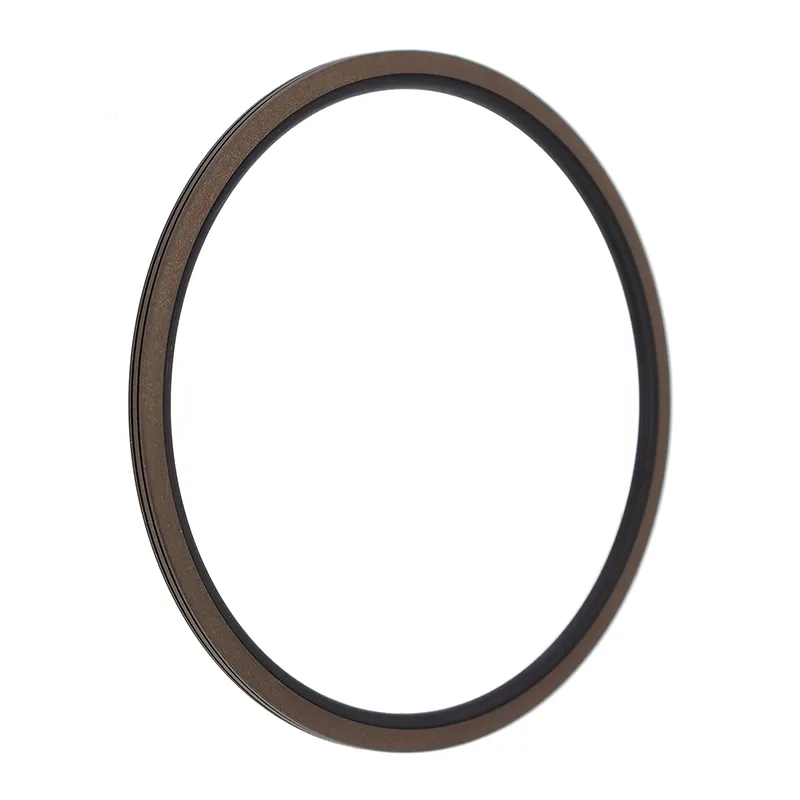
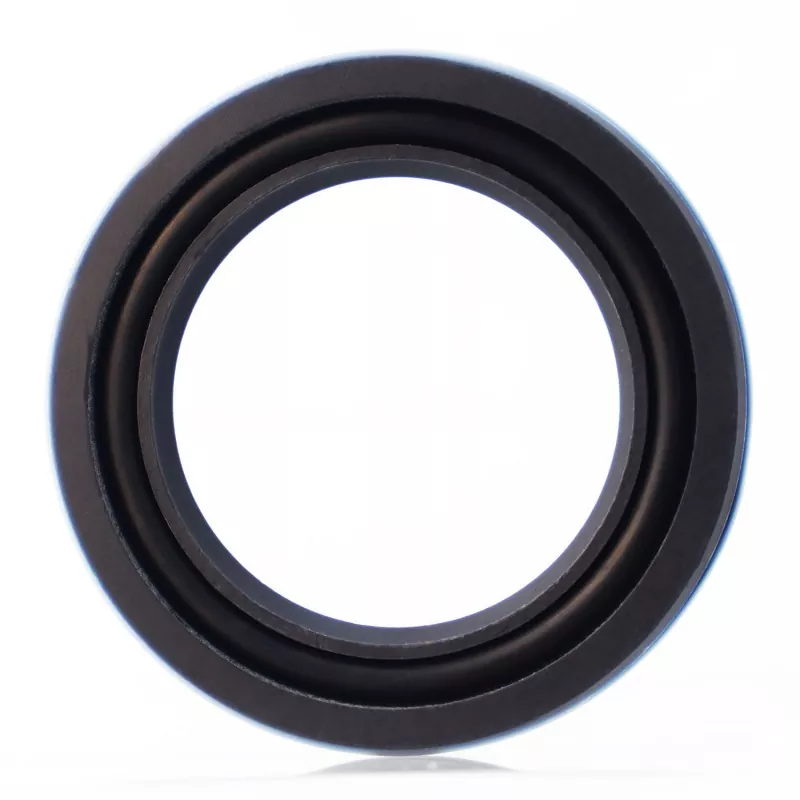
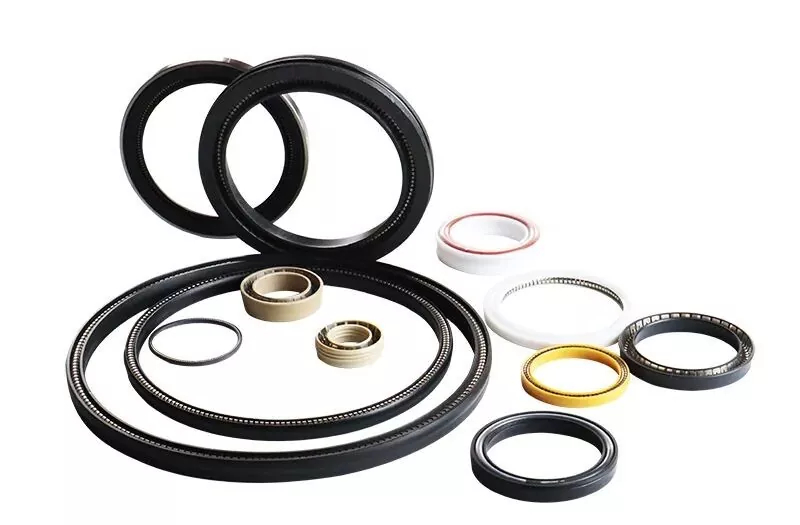
In hydraulic sealing, the value of PTFE comes not only from the material itself but also from the synergy of material formulation, seal structure, and machining precision.
Compared with many rubber materials, PTFE has unique advantages in medium resistance, low friction, and wide temperature range applications; however, its elastic recovery is relatively weak, and it also has characteristics such as creep under load. Therefore, it cannot simply be assumed that PTFE is superior to rubber under all high-pressure and high-speed conditions. Instead, it should be matched according to the sealing form and specific operating conditions.
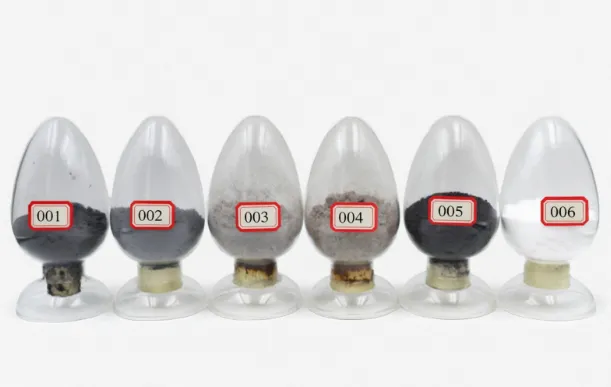
To translate PTFE’s material advantages into stable sealing performance, formulation design, molding and sintering control, precision machining, structural design, and operating condition validation are indispensable. Only when material, structure, and process work together can sealing reliability, friction resistance, and service life be better balanced.